%2Ffit-in%2F250x250%2Fguide_websites%2F3460%2Fimages%2Fimg_2391.jpg&w=1920&q=100)
Bluegill Fishing in Greenville NC - Charter with Captain Kent
Bluegill Fishing in Greenville - What to Expect
%2F%2Fusers%2Fa633ede9-ea37-4648-8b68-a35ac558931e%2Fimages%2Fgreenville-nc-bluegill-catch-2534.jpg&w=1920&q=75)
Fishing Charter by Captain Kent Alligood in May

Meet your Captain Kent Alligood
- Embark on Epic Eastern NC Fishing Adventures Now!


Summary
Bluegill fishing in Greenville, North Carolina delivers consistent action for anglers of all skill levels on this fishing charter. Experience productive pond and shallow water fishing where these panfish are eager to strike, surrounded by native aquatic vegetation that defines the local waterways. Captain Kent Alligood brings years of local expertise to help you locate and land bluegill throughout All Over North Carolina on Sunday, May.
Fishing Charter with Captain Kent Alligood - Rates & Booking
Captain Kent Alligood of Wicked East Charters operates fishing charters throughout All Over North Carolina. This charter focuses on hands-on bluegill fishing in productive pond environments where aquatic vegetation creates ideal habitat for these responsive panfish. Whether you're targeting trophy-sized bluegill or looking to enjoy consistent action, Captain Kent tailors the experience to your skill level and goals. For current rates, availability, and booking information, contact Wicked East Charters directly to reserve your fishing adventure.
Highlights of Bluegill Fishing Charters
Bluegill fishing around Greenville offers some of the most accessible and rewarding panfish opportunities in the region. These hardworking fish are aggressive feeders, responding quickly to properly presented lures and live bait. The shallow water and aquatic vegetation typical of local ponds create excellent cover where bluegill congregate, making them predictable targets once you understand their habitat preferences.
The beauty of bluegill fishing lies in the combination of consistent action and the simplicity of the experience. You don't need expensive equipment or extensive experience to succeed. These fish are willing participants that fight hard on appropriate tackle, providing genuine sport and excitement throughout your day on the water.
Local Species Insights: Bluegill
Bluegill are among North Carolina's most abundant and accessible freshwater panfish, thriving in the pond systems and shallow waterways that characterize the Greenville area. These sunfish are identifiable by their distinctive blue-tinted gill flaps and sun-colored chest coloring, which intensifies during spawning season. Bluegill typically range from half a pound to two pounds in most Carolina ponds, though the region occasionally produces impressive specimens exceeding three pounds.
Understanding bluegill behavior is key to consistent success. During spring and early summer, these fish move into shallow water to spawn, creating peak fishing periods. They relate heavily to aquatic vegetation, using it as cover while hunting small insects, crustaceans, and other prey items. Bluegill are visual feeders that respond aggressively to small jigs, topwater lures, and live bait presentations. The vegetation-rich pond environment near Greenville provides the exact conditions bluegill prefer, making this area particularly productive for charter fishing.
Bluegill school by size, so once you locate a group of quality fish, you can enjoy rapid-fire action if you continue working the same area effectively. They're also less pressure-sensitive than largemouth bass or other game fish, making them ideal for anglers developing their fishing skills or simply looking for dependable fun on the water.
Planning Your Bluegill Fishing Day
A typical bluegill fishing charter in the Greenville area begins with Captain Kent positioning the boat in prime shallow-water cover where these panfish congregate. You'll work the vegetation lines and shallow flats using light tackle and small lures or live bait. The focus is on location and presentation rather than long-distance casting, so even novice anglers can enjoy success. Bluegill fishing is genuinely social and relaxed compared to other saltwater or deep-water pursuits, allowing you to enjoy conversation and enjoy the surrounding natural environment while actively fishing. The calm pond setting provides a low-stress atmosphere perfect for family outings or solo anglers seeking peaceful time on the water with genuine fishing action.
Fishing in All Over North Carolina: Bluegill
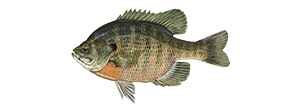
Bluegill Overview
Bluegill (Lepomis macrochirus) is a freshwater gamefish belonging to the family Centrarchidae and order Perciformes. These vibrant panfish are beloved by anglers nationwide for their scrappy fighting ability and excellent table quality. What makes bluegill particularly special is their stunning coloration—bodies that can shift from bluish-purple to deep green with striking vertical stripes—and their accessibility to anglers of all skill levels. Whether you're in Florida or New Mexico, bluegill populations thrive in waters across the country, making them one of America's most reliable and rewarding gamefish.
Bluegill Habitat and Distribution
Bluegill are endemic to the eastern half of America and have been successfully introduced across North America, Europe, South Africa, Asia, South America, and Oceania. These adaptable fish prefer shallow waters along shorelines in ponds and lakes, gravitating toward vegetated or weed-rich areas where they can find shelter. They love fallen logs, sunken objects, and the protective cover found beneath docks. Clear, quiet, warm water provides ideal conditions—think peaceful lake coves and pond margins where vegetation creates natural hiding spots. Their widespread distribution means quality bluegill fishing exists nearly everywhere, from sprawling reservoirs to small neighborhood ponds in suburban communities.
Bluegill Size and Weight
Most bluegill average around 8 inches in length and weigh approximately half a pound, making them perfect for young anglers and family outings. However, these fish can reach impressive proportions under ideal conditions, growing up to 16 inches and weighing as much as 2 pounds. Size depends heavily on habitat quality, food availability, and population density. Bluegill can live up to 10 years, and older fish are typically noticeably larger and more colorful. Breeding males display the most vibrant hues, often showcasing brilliant orange or rust-colored bellies that intensify during spawning season.
Bluegill Diet and Behavior
Bluegill are opportunistic feeders with surprisingly varied diets for fish of their size. They primarily hunt insects, zooplankton, worms, snail eggs, and small fish, though they're not particularly picky eaters—they'll readily consume bread, corn, crackers, and other human food scraps. These are excellent swimmers capable of rapid directional changes through precise fin adjustments, which helps them dodge predators and efficiently pursue prey. They typically hunt during dusk and dawn hours when light levels are lower, though they'll feed throughout the day if conditions are right. Bluegill usually organize in schools of 10 to 20 individuals, creating dynamic social structures within their habitat. Their willingness to accept various baits and lures makes them ideal targets for experimentation and technique development.
Bluegill Spawning or Seasonal Activity
Bluegill reach sexual maturity between ages 2 and 3, depending on environmental conditions and habitat quality. Spawning season begins when water temperatures reach 70°F, typically occurring from April through September in most regions. During this period, males display their most vivid coloration, with orange and red hues becoming especially pronounced. Males construct and aggressively guard nests, protecting eggs until they hatch and younglings develop sufficiently to venture into deeper waters. This protective behavior, combined with their concentrated spawning areas, creates excellent opportunities for anglers using fly rods or small jigs during peak breeding months. Spring and early summer represent the prime fishing season when bluegill are most active and aggressive.
Bluegill Techniques for Observation or Capture
Spin casting with worms remains one of the most effective bluegill methods and requires minimal equipment investment. Simply thread a live or nightcrawler on a small hook, cast near vegetation or structure, and watch for strikes. This technique works year-round but peaks during spring and early summer.
Bobber fishing with worms is perfect for family outings and young children. The visual indicator of a bobber keeps kids engaged, and bluegill readily strike at worms suspended at various depths near shorelines or under docks. This method teaches patience and fundamentals without complexity.
Fly-rod fishing at spawning grounds offers exciting opportunities for experienced anglers. Deploy spider bubbles or small flies directly over known spawning areas where males actively defend territories. Light tackle and accurate casting yield impressive results during peak spawning months. Around many southern lakes and ponds, early morning presentations near lily pads and vegetation edges consistently produce eager strikes from aggressive breeding males.
Additional effective approaches include small jig fishing (bluegill have relatively small mouths), float rigs like waggler floats and bubble rigs, and targeting deeper structure during mid-day heat when shallow water temperatures rise above comfort zones.
Bluegill Culinary or Utilization Notes
Bluegill possess excellent eating qualities and are considered a culinary delicacy by many anglers. Their firm, mild-flavored flesh fillets beautifully and cooks quickly through pan-frying, baking, or grilling. A mess of bluegill—typically 8 to 12 fish—provides a satisfying meal for a family. Beyond direct consumption, bluegill serve as effective live bait for larger gamefish species like bass, pike, and catfish, making them valuable to anglers pursuing trophy-sized predators. Their role in balanced freshwater ecosystems also makes them important for fishery management and ecological health.
Bluegill Frequently Asked Questions
Q: What is the best bait for catching bluegill?
A: Live worms are consistently the most effective bait, though bluegill also respond to minnows, insects, small jigs, and even bread or corn. Their non-selective feeding habits mean experimentation often yields success.
Q: Where can I find bluegill near my area?
A: Bluegill are distributed throughout North America with particularly strong populations in the eastern half of the United States, extending west to states like New Mexico and south to Florida. Check local ponds, lakes, and rivers with shallow vegetated areas and structure—neighborhood lakes and public fishing areas frequently hold healthy populations.
Q: Is bluegill good to eat?
A: Yes, absolutely. Bluegill offers excellent eating quality with mild, firm flesh that fillets beautifully. A dozen bluegill provides a delicious, sustainable meal. Many consider them among the best-tasting panfish available.
Q: When is the best time to catch bluegill?
A: Spring and early summer (April through June) represent peak seasons, particularly during spawning when fish are most aggressive. However, bluegill can be caught year-round. Dawn and dusk hours generally produce more consistent results, though midday fishing near deep structure often succeeds during hot months.
Q: Why are bluegill good for beginners and children?
A: Bluegill are abundant, eager to strike, put up a spirited fight on light tackle, and don't require expensive equipment or advanced techniques. Their willingness to accept simple baits like worms and their consistent availability make them perfect for developing angling skills.
Q: How long do bluegill live and how large do they grow?
A: Bluegill typically live up to 10 years in quality habitats. Most average 8 inches and half a pound, though premium conditions produce fish reaching 16 inches and 2 pounds. Older, larger males display the most vibrant coloration, especially during breeding season.